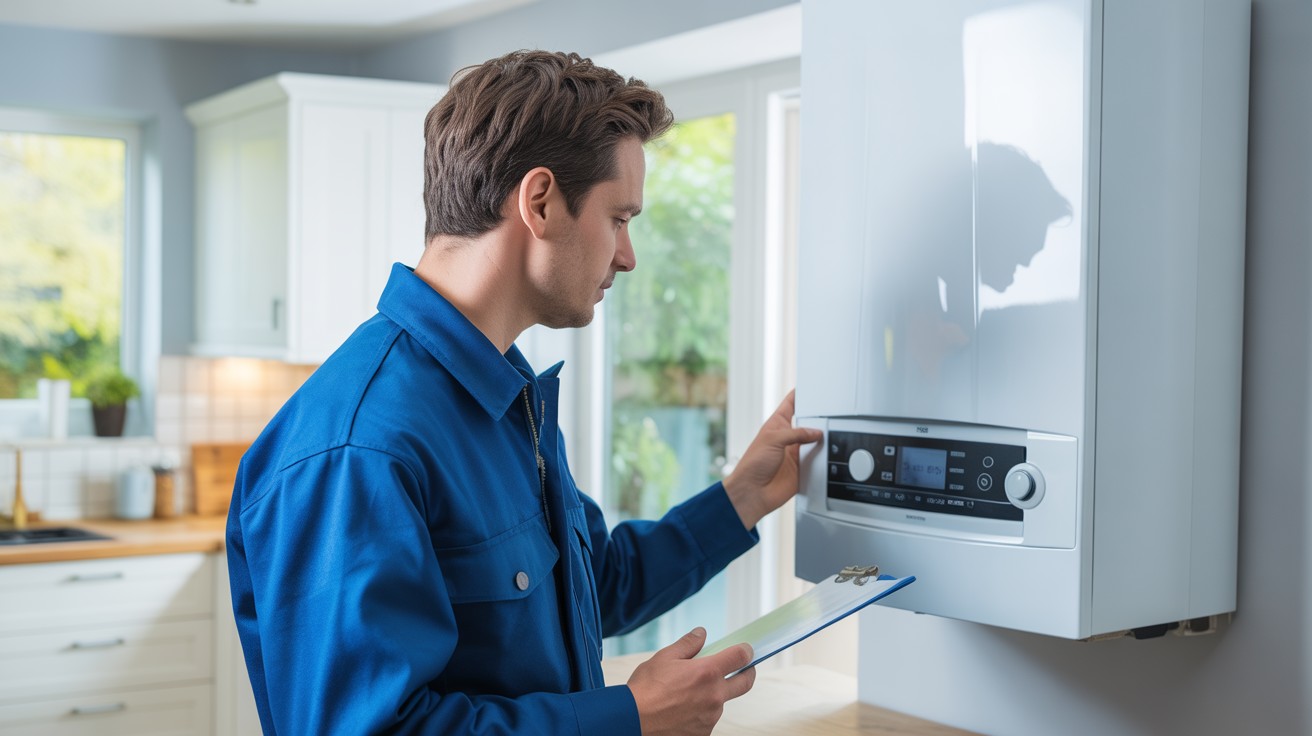
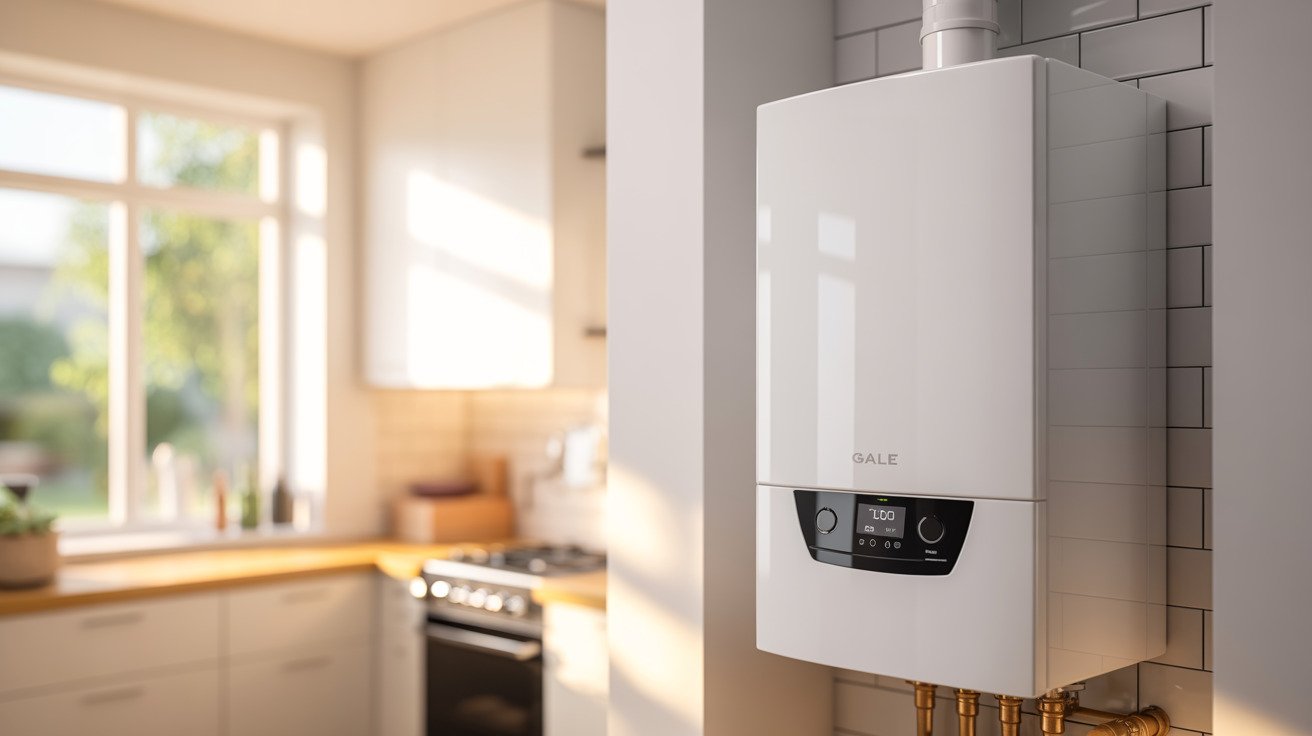
As September arrives and temperatures begin to drop across the West Midlands and Staffordshire, thousands of homeowners in Lichfield, Sutton Coldfield, and Tamworth are switching their central heating back on for the first time since spring. And that’s often when problems appear.
A boiler that sat idle all summer can develop faults that weren’t obvious before. Whether it’s a loss of pressure, strange noises, cold radiators, or a complete failure to fire up, autumn is the season when boiler problems tend to surface — and when you really can’t afford to be without heat.
In this guide, Vulcan Heat’s Gas Safe registered engineers walk you through the most common boiler problems homeowners encounter at the start of the heating season, what you can safely check yourself, and when it’s time to call in a professional.
Why Autumn Is Prime Time for Boiler Faults
After months of minimal use, boilers can develop a range of issues. Seals can dry out, sludge can settle in radiators, pressure can drop, and components that were on the verge of failure may finally give up when the system is put under load again.
The good news is that many of these problems are predictable — and with the right knowledge, you can identify them quickly and get your heating restored before the cold really sets in.
The 7 Most Common Boiler Problems in Autumn
1. No Heat or Hot Water
This is the most alarming fault — you turn the heating on and nothing happens. Before calling an engineer, run through these safe checks:
- Check your controls: Is the programmer set correctly? Has the schedule changed since last winter? Is the room thermostat set above the current room temperature?
- Check for a power cut or, if you have a prepayment meter, ensure it has credit.
- Check the boiler display for any fault codes and consult your manual.
- Try a single reset if your manual permits it.
If none of these restore heat, or if the boiler keeps locking out, it’s time to call a Gas Safe registered engineer. Repeated resets without fixing the underlying fault can cause further damage.
2. Low Boiler Pressure
Low pressure is one of the most common autumn boiler complaints. If your pressure gauge reads below 1 bar (check your manual for the correct range for your specific boiler), the system may shut down to protect itself.
Pressure can drop naturally after radiators are bled, but a sudden or recurring drop often points to a water leak somewhere in the system.
What you can do: If your boiler manual clearly explains how to re-pressurise your specific model, you can carefully top it up to the recommended level (usually around 1–1.5 bar when cold). Always close the filling loop fully afterwards.
When to call us: If pressure keeps dropping, rises too high, or you notice damp patches, staining, or corrosion near pipes or radiators, contact Vulcan Heat for a professional inspection.
3. Kettling — Rumbling or Banging Noises
If your boiler sounds like a boiling kettle — rumbling, whistling, or banging — it’s likely suffering from kettling. This is commonly caused by limescale or sludge restricting water flow through the heat exchanger, causing localised overheating.
Lichfield and parts of Staffordshire have moderately hard water, which can accelerate limescale build-up over time. Sutton Coldfield and Tamworth homeowners with older systems may also find sludge accumulation is a factor.
What you can do: Note when the noise occurs and whether any radiators have cold spots. Check that pressure and settings match your manual.
What you should NOT do: Never remove the boiler casing, attempt to clean the heat exchanger yourself, or keep running a boiler that’s making severe or worsening noises.
A Gas Safe engineer can assess whether a power flush, chemical treatment, or component replacement is needed. Book a boiler service with Vulcan Heat to get to the bottom of it.
4. Pilot Light or Ignition Failure
If your boiler attempts to ignite but fails, or the pilot light keeps going out, this is a fault that needs professional attention. Ignition failure can have several causes — from a faulty ignition lead to a gas supply issue — and repeated failures can be a warning sign of unsafe combustion.
Safe check: Confirm your energy supply is on, check controls and pressure, and use only the manufacturer’s documented reset or relighting procedure if one is provided.
When to stop and call immediately: If you notice a gas smell, soot or brown staining around the boiler, a yellow or orange flame (instead of blue), or your carbon monoxide alarm sounds — stop using the appliance immediately, ventilate the property, and call the Gas Emergency Service on 0800 111 999. Then contact a Gas Safe registered engineer.
Vulcan Heat’s engineers are Gas Safe registered (number 617816) and can safely diagnose and repair ignition faults across Lichfield, Sutton Coldfield, and Tamworth.
5. Radiators with Cold Spots
Switch the heating on and find some radiators are cold at the top, cold at the bottom, or just not heating evenly? Here’s what it usually means:
- Cold at the top: Trapped air — this is something you can often fix yourself by bleeding the radiator. Switch the heating off, let it cool, then use a radiator key to release air until water appears. Close the bleed valve and check your boiler pressure afterwards.
- Cold at the bottom or patchy: This usually indicates sludge or debris — a job for a professional power flush.
- Multiple radiators underperforming: Could be a circulation, pump, or balancing issue — needs professional investigation.
If bleeding doesn’t help, or pressure keeps dropping afterwards, get in touch with Vulcan Heat for a system health check.
6. Frozen Condensate Pipe
This one is more relevant as we head into the colder months of autumn and winter. Modern condensing boilers have a condensate pipe that carries acidic water away from the boiler — usually to an outside drain. In freezing temperatures, this pipe can ice up and cause the boiler to shut down.
Signs: The boiler stops working during or after a cold snap, and you may hear a gurgling noise.
Safe fix: If the external pipe is safely accessible from ground level, apply a hot-water bottle or warm (not boiling) water to the frozen section. Once thawed, reset the boiler as your manual directs.
Prevention: Ask a Gas Safe engineer to assess whether the pipe can be rerouted internally or insulated with appropriate outdoor-grade lagging — a worthwhile investment before winter arrives.
7. Boiler Keeps Switching Off (Short Cycling)
If your boiler fires up and then switches off again shortly after — repeatedly — this is known as short cycling. It can be caused by low water pressure, a faulty thermostat, a blocked heat exchanger, or an oversized boiler for the property.
Short cycling wastes energy and puts unnecessary wear on components. It’s not something to ignore or mask by adjusting settings — it needs a professional diagnosis.
What You Should Never Do Yourself
It’s worth being clear about the limits of DIY boiler work. Under UK law, gas appliance installation, repair, and servicing must be carried out by a Gas Safe registered engineer. This includes:
- Removing the boiler casing or accessing internal components
- Working on gas valves, burners, or combustion parts
- Bypassing safety devices
- Attempting to repair ignition components, PCBs, or heat exchangers
Attempting these tasks yourself is not only dangerous — it’s illegal and will invalidate your boiler warranty and home insurance.
The Importance of an Annual Boiler Service
The single best way to avoid autumn boiler breakdowns is to have your boiler serviced annually by a Gas Safe registered engineer. A service typically includes:
- Checking all internal components for wear or damage
- Cleaning the heat exchanger and burner
- Testing combustion efficiency and safety controls
- Checking for leaks, corrosion, and sludge
- Verifying that the flue and ventilation are clear and safe
Many manufacturers require annual servicing to maintain the warranty. And with energy prices still a concern for households across Lichfield, Sutton Coldfield, and Tamworth, a well-maintained boiler runs more efficiently — saving you money on bills.
Book your annual boiler service with Vulcan Heat — Gas Safe registered (617816), serving the West Midlands and Staffordshire.
Boiler Breakdown? We’re Here to Help
If your boiler has broken down and you need urgent assistance, Vulcan Heat offers a boiler breakdown service covering Lichfield, Sutton Coldfield, Tamworth, and the surrounding areas. Our Gas Safe registered engineers can diagnose and repair most boiler faults quickly, getting your heating and hot water restored as soon as possible.
Get Ready for Autumn — Contact Vulcan Heat Today
Don’t wait until you’re shivering in a cold house to think about your boiler. September is the ideal time to test your heating system, address any faults, and book a service before the winter rush.
Vulcan Heat — Gas Safe Registered Engineers (617816)
Serving Lichfield, Sutton Coldfield, Tamworth, and the wider West Midlands and Staffordshire area.
📞 Contact us today for a free quote or to book your boiler service.
Whether you’re dealing with a boiler that won’t fire up, strange noises, cold radiators, or just want peace of mind before winter, our friendly team is ready to help.