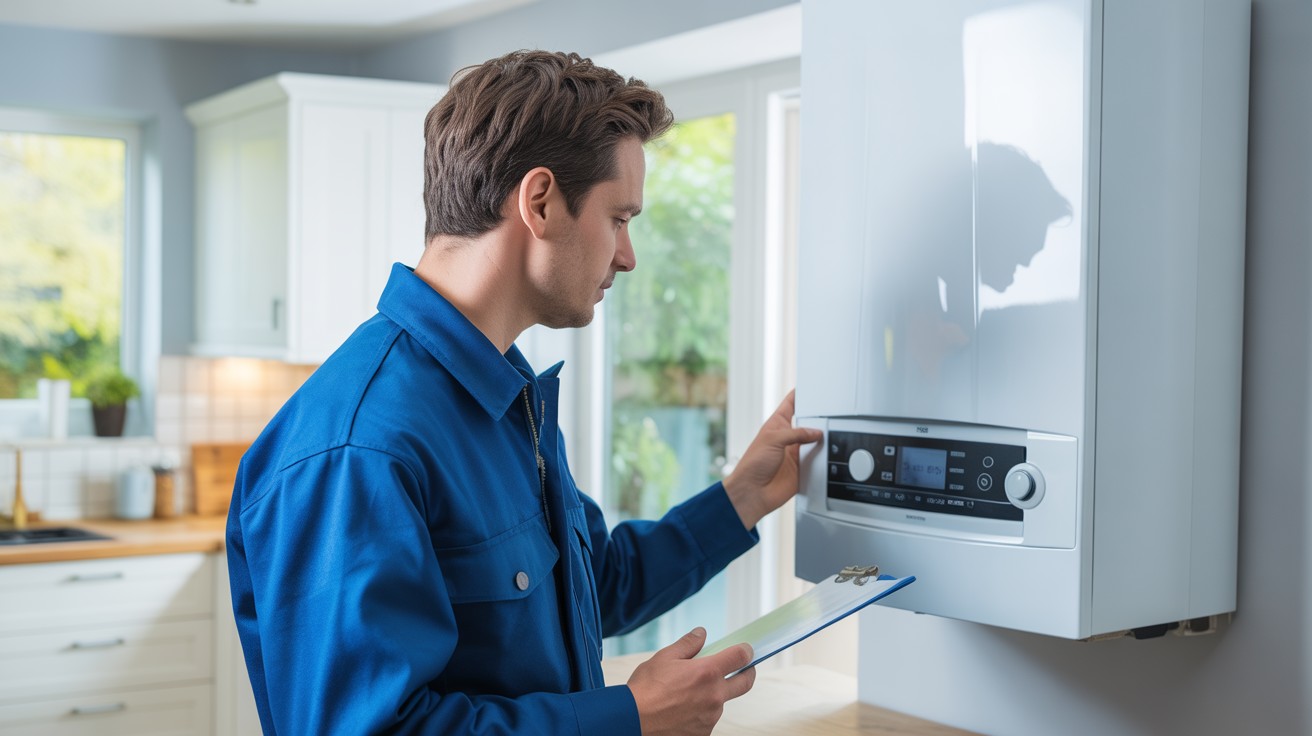
August is here, and while the warm weather might make your boiler the last thing on your mind, late summer is actually the smartest time to think about your heating system. For homeowners across Lichfield, Sutton Coldfield, and Tamworth, taking a few simple steps now can mean the difference between a warm, worry-free autumn and an emergency call-out on the coldest night of the year.
At Vulcan Heat, our Gas Safe registered engineers (registration number 617816) have seen it all — and the most common theme is homeowners who wish they’d booked their annual service a little earlier. This guide walks you through everything you need to do before the temperatures drop.
Why Late Summer Is the Best Time to Act
Most people think about their boiler when it stops working — usually on a freezing October morning. By that point, heating engineers across the West Midlands are fully booked, waiting times stretch to weeks, and emergency call-out rates are at their highest.
Book your annual boiler service in August or early September, and you’ll benefit from:
- Shorter waiting times — engineers are far less busy during summer
- More flexible appointment slots — easier to find a time that suits you
- Peace of mind — any faults are identified and fixed before you need the heating
- Warranty protection — most manufacturers require annual servicing to keep warranties valid
For homeowners in Lichfield, Sutton Coldfield, and Tamworth, this seasonal window is a genuine opportunity to get ahead of the autumn rush.
The Hidden Danger of Leaving Your Boiler Idle All Summer
Here’s something many homeowners don’t realise: switching your boiler off completely for the entire summer can actually cause damage. Modern boilers are designed for regular operation. When left idle for months, internal components — including the circulation pump, diverter valves, and gas valves — can seize up due to mineral scaling or dried corrosion inhibitor.
The West Midlands is a hard water area, which makes this risk even more pronounced. Limescale builds up faster in hard water regions, and without regular circulation, it can accumulate inside your heat exchanger and pipework.
What to Do Instead
- Use summer mode: Most modern combi boilers have a “summer mode” that keeps your hot water running while disabling the central heating circuit. It also runs automatic pump exercise cycles to keep components moving.
- Run the heating briefly: If your boiler doesn’t have a summer mode, run the central heating for 15–20 minutes every two to three weeks. This is enough to cycle the pump, move the valves, and circulate the system water and inhibitor.
- Keep the boiler powered: Even when not in use for heating, keep your boiler switched on so it can perform automatic self-checks and maintain its electronic controls.
Your Late Summer Boiler Checklist
Before you book your professional service, there are several checks you can carry out yourself. These simple tasks take just a few minutes and can flag potential issues early.
1. Check Your Boiler Pressure
Your boiler pressure gauge should read between 1.0 and 1.5 bar when the system is cold. If it’s below 1.0 bar, the system may need repressurising. If it’s consistently dropping, this could indicate a leak — something a Gas Safe engineer should investigate.
2. Bleed Your Radiators
Trapped air in radiators causes cold spots and reduces heating efficiency. Bleeding your radiators before the heating season starts ensures even heat distribution throughout your home. After bleeding, always recheck the boiler pressure, as it may drop slightly.
3. Listen for Unusual Noises
Banging, gurgling, or kettling sounds from your boiler or pipework can indicate limescale buildup, air in the system, or a failing component. Don’t ignore these — they rarely resolve themselves and often worsen over time.
4. Inspect for Leaks and Corrosion
Take a few minutes to visually inspect the area around your boiler and any visible pipework. Look for signs of water staining, rust, or damp patches. Even a small drip can cause significant damage if left unaddressed.
5. Test Your Carbon Monoxide Alarm
A functioning carbon monoxide (CO) alarm is essential in any home with a gas boiler. Test yours now, replace the batteries if needed, and ensure it’s positioned correctly — ideally within 1–3 metres of the boiler at head height.
6. Clear the Area Around Your Boiler
Boilers need adequate ventilation to operate safely. Make sure the area around your boiler is clear of stored items, and that the flue outlet outside your home is unobstructed.
What Happens During a Professional Boiler Service?
A professional annual service from a Gas Safe registered engineer goes far beyond what any homeowner can check themselves. At Vulcan Heat, our engineers serving Lichfield, Sutton Coldfield, and Tamworth carry out a comprehensive inspection that includes:
- Combustion analysis using a calibrated gas analyser to verify safe and efficient burning
- Flue inspection to check for blockages or deterioration
- Burner and heat exchanger cleaning to restore efficiency
- Safety device testing including pressure relief valves and thermostats
- System pressure verification and inhibitor level checks
- Magnetic filter inspection — particularly important in hard water areas like the West Midlands
If your boiler is 10–15 years old and showing signs of inefficiency or requiring frequent repairs, our engineers can also advise on whether a replacement might be more cost-effective in the long run. Modern condensing boilers operate at over 90% efficiency, and government schemes such as the Boiler Upgrade Scheme may help with the cost of an upgrade.
A Note for Landlords in Lichfield, Sutton Coldfield & Tamworth
If you own rental properties in the area, your obligations go beyond a simple annual service. Under the Gas Safety (Installation and Use) Regulations 1998, landlords are legally required to have an annual gas safety check (CP12 certificate) carried out by a Gas Safe registered engineer on all gas appliances, including boilers. Failure to comply can result in fines of up to £6,000 per item and potential criminal prosecution. You must also provide a copy of the certificate to your tenants within 28 days of the check.
Late summer is the ideal time to get ahead of this requirement and ensure your properties are fully compliant before the heating season begins.
Don’t Wait Until the Cold Snap Hits
Every autumn, our engineers receive a surge of calls from homeowners across Tamworth, Sutton Coldfield, and Lichfield whose boilers have broken down at the worst possible time. Many of these breakdowns could have been prevented with a simple summer service.
Don’t be caught out this year. Whether you need an annual boiler service, a gas safety check, or advice on upgrading your heating system, the team at Vulcan Heat is here to help.
Ready to book your late summer boiler service? Contact Vulcan Heat today or visit our boiler service page to find out more. If you’re already experiencing a problem, our boiler breakdown service is available to get you back up and running fast.
Vulcan Heat — Gas Safe registered (617816), proudly serving Lichfield, Sutton Coldfield, Tamworth, and the wider West Midlands.