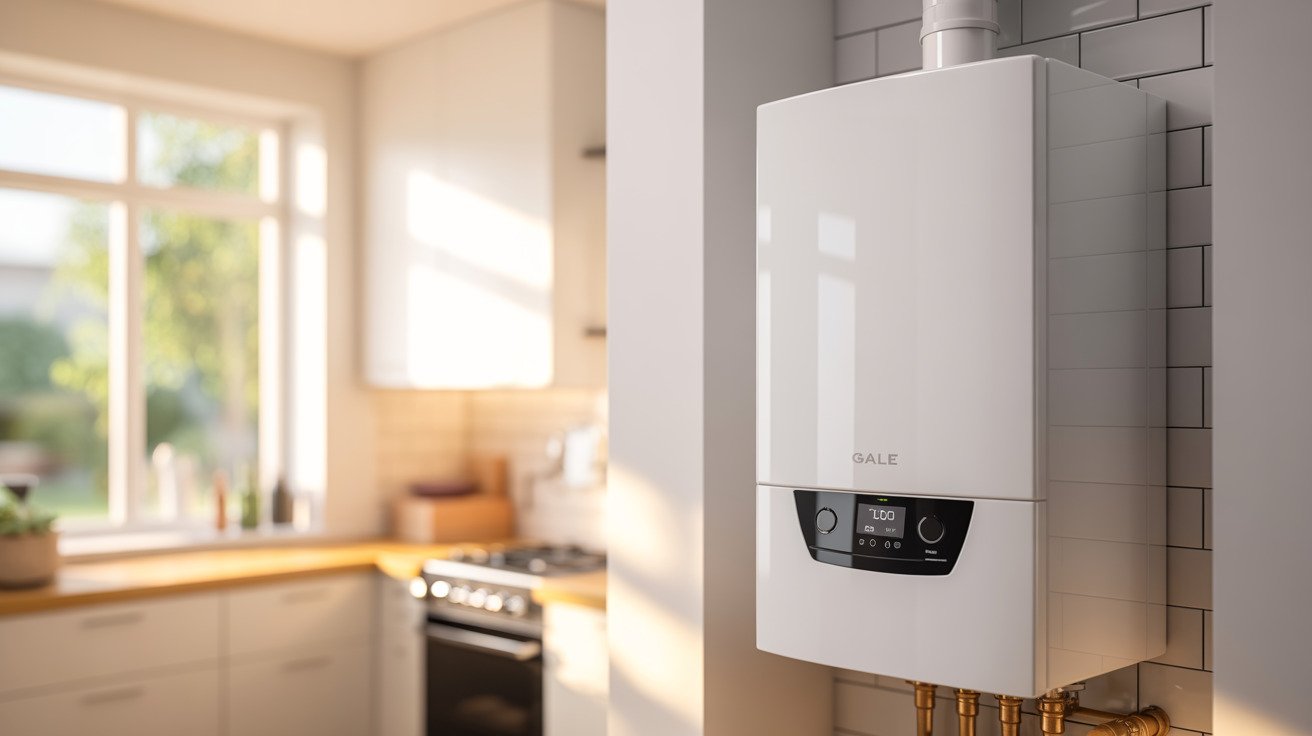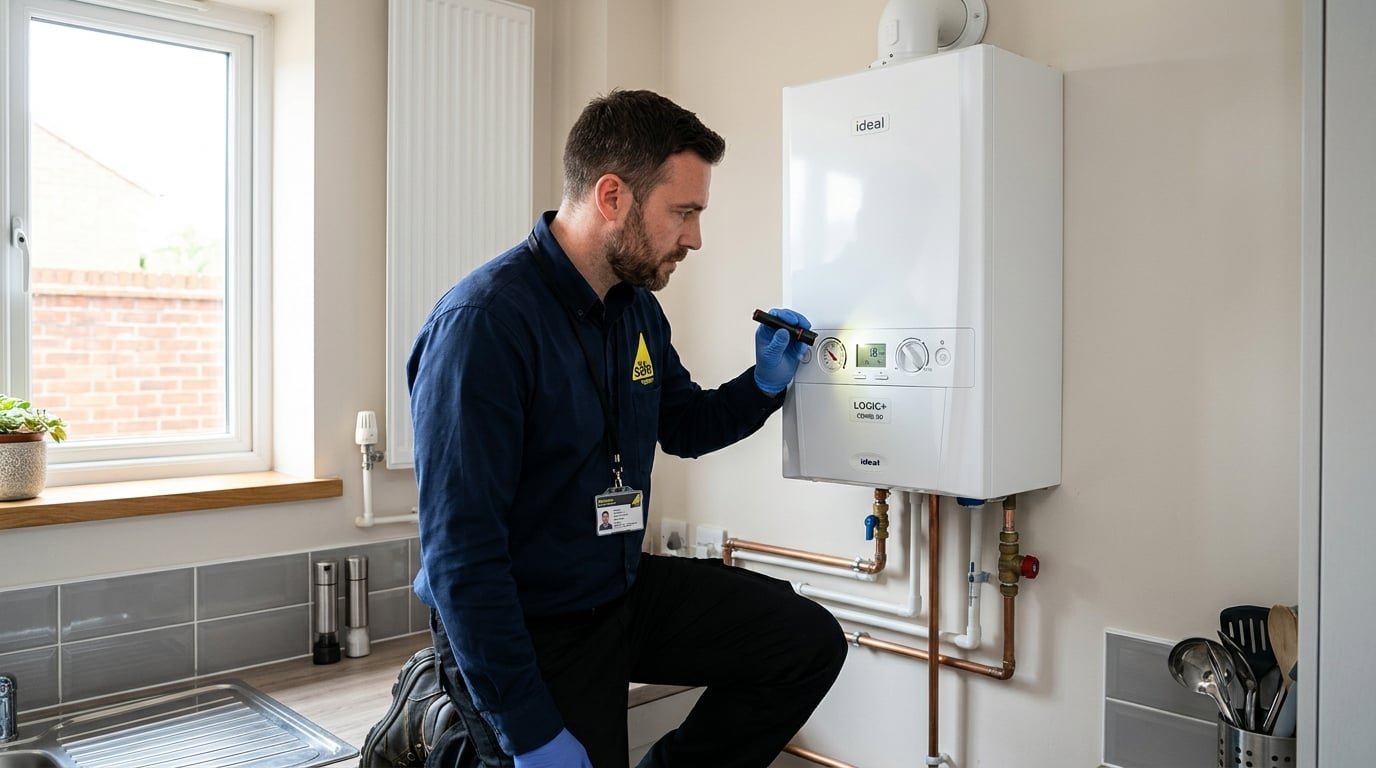
It might be the height of summer, but your boiler still needs attention. In fact, July and August are when many hidden boiler problems quietly develop — only to cause a full breakdown on the first cold morning of autumn. For homeowners across Tamworth, Sutton Coldfield, and Lichfield, understanding the most common summer boiler problems could save you from an expensive emergency callout when you need your heating most.
In this guide, the Gas Safe registered engineers at Vulcan Heat walk you through the boiler issues we see most often during the summer months, what causes them, and what you can do about them.
Why Summer Is Actually a Critical Time for Your Boiler
Most people assume boiler problems only happen in winter. But the truth is, summer inactivity is one of the biggest causes of autumn and winter breakdowns. When your boiler sits unused for weeks or months, internal components can seize, sludge builds up, and small leaks go unnoticed. By the time you switch the heating back on in September or October, the damage is already done.
The good news? Summer is also the best time to get problems sorted. Engineers are less busy, appointments are easier to book, and if a fault is found, you won’t be left without heating in freezing temperatures.
The Most Common Summer Boiler Problems
1. Low Boiler Pressure
Low pressure is one of the most frequent issues we’re called out to fix across Tamworth and the surrounding area. Your boiler pressure gauge should read between 1.0 and 1.5 bar when the system is cold. If it drops below 1 bar, the boiler may lock out and refuse to fire.
What causes it? Bleeding radiators, small leaks in pipework or valves, or a faulty expansion vessel can all cause pressure to drop. During summer, minor leaks that go unnoticed can gradually reduce pressure over weeks.
What you can do: If your pressure has dropped slightly, you can top it up using the filling loop — a flexible pipe connecting your mains water supply to the heating system. Open the valves slowly until the gauge reads around 1.2 bar, then close them. However, if your pressure keeps dropping repeatedly, this is a sign of an underlying leak that needs a professional inspection.
2. Pump Seizure from Inactivity
Your boiler’s pump circulates hot water around your radiators and pipework. When the heating isn’t used for months, the pump can seize up due to mineral scaling or corrosion — particularly in hard water areas like parts of Staffordshire and the West Midlands.
A seized pump means your boiler fires up but the heat can’t circulate, leading to overheating, error codes, or a complete lockout.
What you can do: The best prevention is to run your central heating for 15–20 minutes every two to three weeks throughout summer. This keeps the pump moving, circulates the inhibitor fluid, and prevents internal corrosion. If your boiler has a Summer Mode, use it — this setting keeps your hot water active and automatically exercises the pump without running the full heating system.
3. Kettling (Banging and Whistling Noises)
If your boiler makes a rumbling, banging, or whistling sound — similar to a kettle boiling — this is known as “kettling.” It’s caused by limescale or sludge building up inside the heat exchanger, restricting water flow and causing localised overheating.
Kettling is particularly common in hard water areas, and Tamworth, Lichfield, and parts of Sutton Coldfield all fall within regions where limescale can be a real issue.
What you can do: Kettling won’t fix itself. A Gas Safe engineer can assess whether a power flush is needed to clear the system, or whether a magnetic filter should be fitted to catch debris before it causes further damage. Ignoring kettling can lead to heat exchanger failure — one of the most expensive boiler repairs.
4. Thermostat and Controls Issues
During summer, thermostats are often left in “holiday” or “standby” mode, or simply ignored. When autumn arrives, homeowners sometimes find their boiler won’t respond to heating demands — only to discover the thermostat has flat batteries, has lost its pairing with the receiver, or is set incorrectly.
What you can do: Before assuming your boiler has a fault, check your thermostat. Replace batteries if needed, ensure it’s set to “heating” mode rather than “off” or “holiday,” and check that the temperature is set above the current room temperature. Smart thermostats like Nest or Hive can be checked via their apps.
5. Motorised Valve Failure
Motorised valves control the flow of hot water to your radiators and hot water cylinder. Like pumps, they can seize when left unused for extended periods. A stuck valve means heat can’t reach the right parts of your system — you might get hot water but no heating, or vice versa.
This is a repair that requires a Gas Safe registered engineer, as it involves working on the internal components of your heating system.
6. Air in Radiators
If your radiators have been off all summer, air can accumulate inside them. When you switch the heating back on, you’ll notice cold spots — usually at the top of the radiator — and the system will be less efficient.
What you can do: Bleeding your radiators is a simple DIY task. Use a radiator bleed key to open the bleed valve at the top corner of each radiator until water (not air) comes out, then close it. Remember to check your boiler pressure afterwards and top it up if needed.
When to Call a Gas Safe Engineer
While some basic checks — like topping up pressure or bleeding radiators — can be done safely by homeowners, there are clear situations where you must call a qualified professional:
- Your boiler pressure keeps dropping despite being topped up
- You hear banging, hissing, or whistling from the boiler
- Your boiler displays error codes or repeatedly locks out
- You notice water leaking from the boiler or pipework
- Your boiler is over 10 years old and hasn’t been serviced recently
- You smell gas — in this case, call the National Gas Emergency Service on 0800 111 999 immediately and leave the property
All gas work must be carried out by a Gas Safe registered engineer. Vulcan Heat’s engineers are fully Gas Safe registered (registration number 617816), giving you complete peace of mind that all work is safe, legal, and compliant.
Book Your Summer Boiler Service in Tamworth, Sutton Coldfield or Lichfield
The single best thing you can do for your boiler this summer is book an annual service. A professional boiler service involves a thorough inspection of all key components, a flue gas analysis, pressure and safety checks, and a clean of internal parts. It keeps your warranty valid, improves efficiency, and — most importantly — catches problems before they become emergencies.
Summer is the ideal time to book because:
- Engineers are more available — no waiting weeks for an appointment
- Disruption is minimal — if a part needs ordering, you won’t be left without heating in the cold
- You’ll be ready for autumn — your boiler will be in peak condition when you need it most
If you’re in Tamworth, Sutton Coldfield, Lichfield, or the surrounding areas, our friendly team at Vulcan Heat is ready to help. Whether you need a routine service, a repair, or advice on whether it’s time for a new boiler, we’re just a call away.
👉 Book a boiler service online or contact us today for a free, no-obligation quote.
If you’re experiencing a boiler breakdown right now, visit our emergency boiler breakdown page for fast, same-day assistance across Tamworth, Sutton Coldfield, and Lichfield.
Vulcan Heat (AMR Heating Solutions Ltd) — Gas Safe Registered Engineers serving Tamworth, Sutton Coldfield, Lichfield and the wider West Midlands and Staffordshire area. Gas Safe Registration: 617816.